
In the world of product development, design excellence is often mistaken for the final coat of paint, like the gradients, the drop shadows, and the typography. While beautiful UIs are a non-negotiable part of the output, true design excellence isn’t just about what the user sees; it’s about the underlying machinery that built it.
Whether I’m working in a scrappy three-person startup or navigating a complex enterprise org chart, I’ve found that the best products don’t come from designers operating on an island. They come from a culture where design, engineering, and product speak a shared language.
Here is how I approach building that culture, leading by example, and ensuring the final pixel is as perfect as the initial concept.
Invite Engineering to the Whiteboard (Not just the Handoff)
The biggest killer of design excellence is the “waterfall” mindset, even in Agile teams. If I hand a finished high-fidelity mockup to an engineer who hasn’t seen the problem until that moment, I have failed.
To create a culture of excellence, we must shift from “handoffs” to “handshakes.”
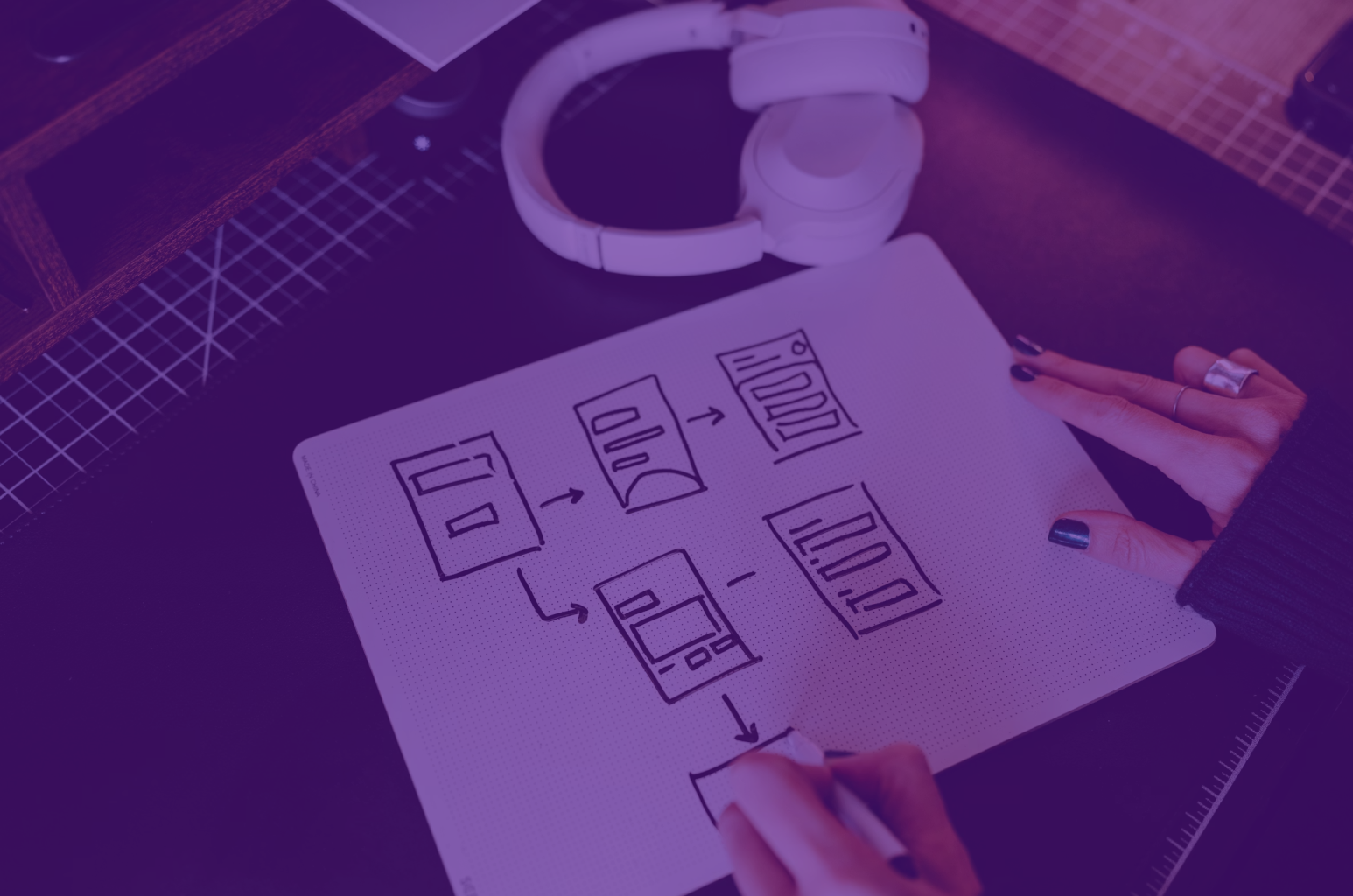
- For Startups: I involve developers in the sketching phase. A five-minute conversation about technical feasibility early on saves five days of rework later.
- For Enterprise: I advocate for the “Triad” model (Product Lead + Eng Lead + Design Lead) to define the roadmap together.
My Approach: I facilitate early jamming sessions. When an engineer feels ownership over the UX, they become the fiercest guardian of the design quality during the build.
The Design System as a Source of Truth, Not a Constraint
You cannot achieve scale or consistency without a system. However, a design system shouldn’t be a prison; it should be a playground.
- The UI Craft: I take pride in building robust component libraries—ensuring that states (hover, active, disabled, error) are meticulously documented.
- The Collaboration: I treat the design system as a product itself. I work with front-end developers to ensure our Figma tokens match their CSS variables.
When we reduce the cognitive load of “what shade of blue is this?”, we free up brainpower to solve complex user problems and create innovative micro-interactions.
Psychological Safety in Design Critiques
Excellence requires vulnerability. You have to be willing to hear that your design doesn’t work.
I strive to move teams away from “Presentation Mode” (where I pitch and you listen) to “Workshop Mode” (where we deconstruct and rebuild).
- The Rule: Critique the problem, not the person.
- The Method: I actively solicit feedback from cross-functional partners, not just other designers. A developer might spot an edge case I missed; a PM might spot a misalignment with business goals.
Leading these critiques requires humility. By detaching my ego from the work, I show the team that the goal isn’t my success, but the product’s success.
Sweating the Details (The “UI” Factor)
Culture and process are vital, but eventually, the rubber meets the road. This is where individual contribution shines. Design excellence means caring about the details that others might miss.
I believe in the power of delight. It’s the snappy transition, the perfectly kerned header, or the intuitive empty state.
- Visual Polish: I don’t stop at wireframes. I push the visual fidelity to ensure the product feels premium and trustworthy.
- QA is a Design Sport: I don’t wait for a bug report. I sit with developers for “design QA” sessions, tweaking padding and timing functions in the browser until it feels right.
Empathy for the Business
Finally, design excellence in a cross-functional team means understanding that Design is a business function.
- In Startups: It means knowing when to ship “good enough” to get data, and when to push for “perfect” to win a pitch.
- In Enterprise: It means navigating stakeholder requirements without compromising usability.
I bridge this gap by articulating design decisions in terms of ROI and user retention, ensuring that “good design” is viewed as a business asset, not a cost center.
Conclusion
Creating a culture of design excellence isn’t a checklist; it’s a daily practice. It requires a designer who is willing to lead facilitation, a teammate who listens to engineers, and a craftsman who obsesses over visual quality.
By fostering this environment, we don’t just build better screens; we build better teams. And better teams build products that change the world.